
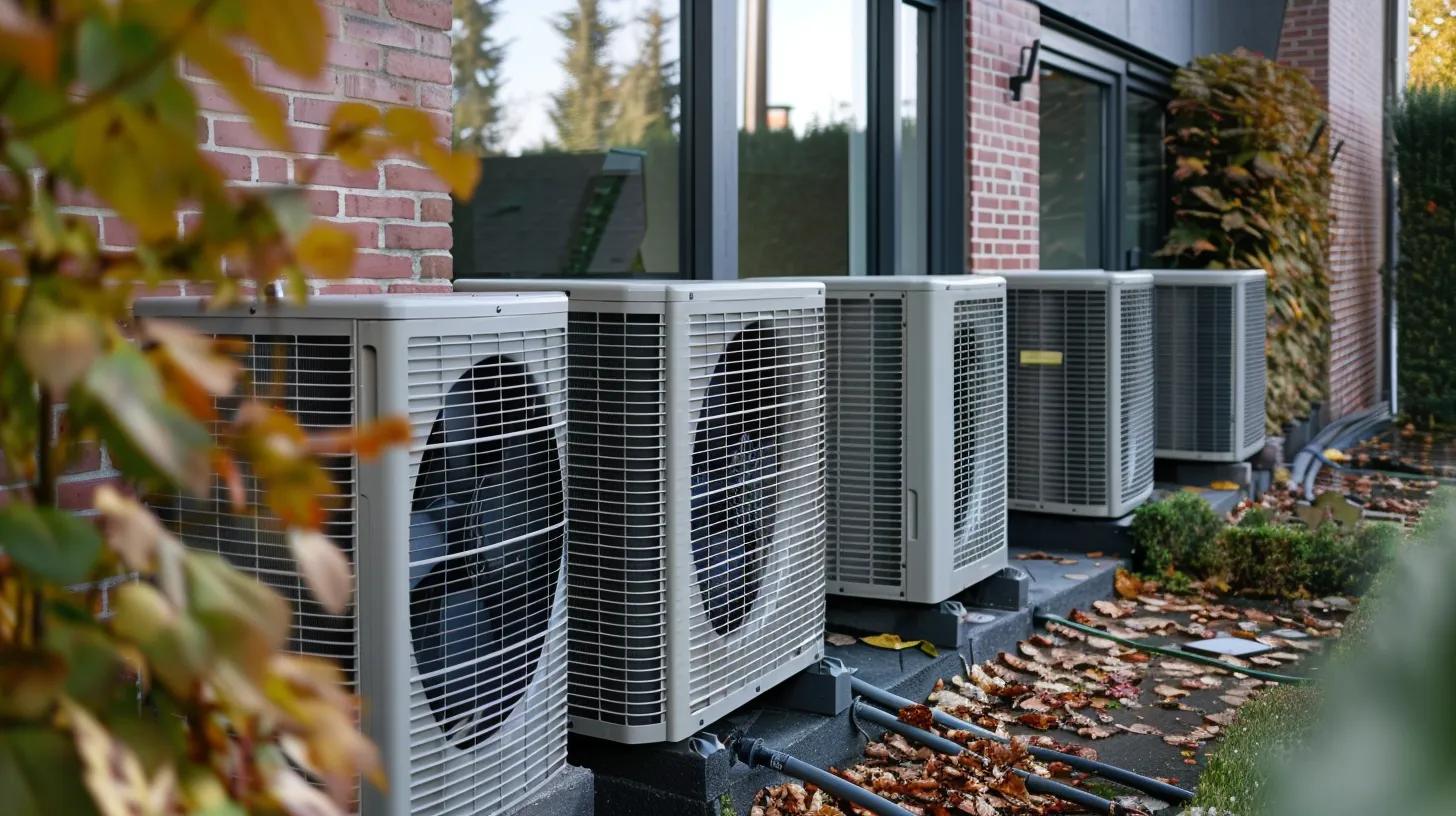
Geothermal HVAC Systems Installation and Benefits: Ground Source Heat Pump Solutions for Energy Efficiency
Geothermal HVAC systems, particularly ground source heat pumps, represent a proven solution for energy-efficient heating and cooling. These systems utilize the earth’s stable temperature to provide consistent climate control, significantly reducing energy consumption compared to traditional HVAC systems. In this article, we will explore the workings of geothermal technology, the installation process, and the numerous benefits it offers to homeowners and businesses alike. As energy costs continue to rise, understanding the advantages of geothermal systems becomes increasingly important for those seeking sustainable and cost-effective solutions. We will also discuss the installation process and the financial incentives available in Delaware and Eastern Shore Maryland. By adopting geothermal HVAC systems, property owners can not only reduce their environmental impact but also enhance the comfort and value of their buildings.
What Is a Ground Source Heat Pump and How Does It Work?
A ground source heat pump (GSHP) is a renewable energy system that harnesses the earth’s natural heat to provide heating and cooling for residential and commercial buildings. This technology operates by transferring heat between the ground and the building, utilizing a series of underground pipes known as ground loops. During the winter, the system extracts heat from the ground and transfers it indoors, while in the summer, it reverses the process, removing heat from the building and depositing it back into the ground. This efficient mechanism results in significant energy savings and a reduced carbon footprint. The technology is adaptable to various climates and building types, making it a versatile option for many applications.
Indeed, research consistently highlights ground source heat pumps as a proven renewable energy technology for efficient building climate control. Their ability to maintain comfortable indoor temperatures year-round with minimal energy input makes them a leading choice in sustainable HVAC solutions.
Ground-Source Heat Pumps: Renewable Energy for Efficient HVAC
The GSHPs are proven renewable energy technology for space heating and cooling of buildings, characterized by high energy and environmental performances. The operation principle and energy efficiency of a heat pump are also presented.
General review of ground-source heat pump systems for heating and cooling of buildings, I Sarbu, 2014
Understanding Geothermal Heating and Cooling Technology
Geothermal heating and cooling technology relies on the consistent temperature of the earth, which remains relatively stable throughout the year. This stability allows ground source heat pumps to operate efficiently, regardless of external weather conditions. There are various types of geothermal systems, including closed-loop and open-loop systems, each designed to suit different site conditions and energy needs. Closed-loop systems circulate a water-based antifreeze solution or refrigerant through a sealed loop of pipes, while open-loop systems draw water from a well or surface water source for heating and cooling. Advances in technology have also introduced hybrid systems that combine geothermal with other renewable energy sources to further enhance efficiency and reliability.
How Ground Source Heat Pumps Improve Energy Efficiency
Ground source heat pumps are known for their exceptional energy efficiency, often achieving efficiency ratings (Coefficient of Performance, COP) of 300% to 400%. This means that for every unit of electricity consumed, the system can produce three to four units of heating or cooling. Compared to traditional HVAC systems, which typically operate at 80% to 95% efficiency, GSHPs offer substantial energy savings. Additionally, they can significantly reduce greenhouse gas emissions, making them an environmentally friendly choice for climate control. Their quiet operation and low maintenance requirements further contribute to their appeal among homeowners and businesses looking for sustainable solutions.
How Is a Geothermal HVAC System Installed?
The installation of a geothermal HVAC system involves several key steps, each critical to ensuring optimal performance and efficiency. The process begins with a thorough site assessment to determine the best system type and configuration for the property. This assessment includes evaluating soil conditions, available land area, and local climate factors. Proper planning and design are essential to maximize system efficiency and longevity.
Step-by-Step Ground Source Heat Pump Installation Process
Site Assessment: A professional evaluates the property to determine the best location for the ground loops and the type of system suitable for the site. This step also involves soil testing and reviewing local regulations to ensure compliance.
- Ground Loop Installation: Depending on the system design, horizontal or vertical loops are installed underground. Horizontal loops require more land area, while vertical loops are ideal for smaller lots. The installation must be done carefully to avoid damage to existing underground utilities and to ensure optimal heat exchange.
- System Setup: The heat pump unit is installed indoors, connected to the ground loops. This unit is responsible for transferring heat between the ground and the building. Proper integration with the building’s existing HVAC infrastructure is crucial for seamless operation.
- Testing and Commissioning: Once installed, the system is tested to ensure it operates correctly and efficiently, making any necessary adjustments. This phase includes verifying system pressures, flow rates, and thermostat calibration to guarantee performance standards are met.
Typical Installation Timeline for Residential Systems
The installation of a geothermal HVAC system typically takes between 1 to 3 weeks, depending on the complexity of the project and site conditions. Factors such as the size of the system, the type of ground loop, and weather conditions can influence the timeline. Homeowners should plan for potential disruptions during the installation process, but the long-term benefits of energy savings and comfort make it a worthwhile investment. Additionally, working with experienced installers can help streamline the process and minimize downtime.
What Are the Benefits of Geothermal Heating and Cooling?
Geothermal heating and cooling systems offer numerous advantages that make them an attractive option for homeowners and businesses. These benefits include significant energy savings, environmental impact reduction, and long-term cost benefits. Beyond these, geothermal systems also provide enhanced indoor air quality and consistent temperature control, contributing to improved occupant comfort and health.
Energy Savings and Environmental Impact of Geothermal Systems
One of the most compelling reasons to consider a geothermal system is the potential for energy savings. Homeowners can expect to see a reduction in their energy bills by 30% to 60% compared to conventional heating and cooling systems. Additionally, geothermal systems produce fewer greenhouse gas emissions, contributing to a cleaner environment. This makes them an excellent choice for those looking to reduce their carbon footprint while enjoying reliable climate control. The use of renewable energy also helps reduce dependence on fossil fuels, supporting broader sustainability goals.
Studies further confirm the significant potential of geothermal heat pumps to reduce energy consumption and greenhouse gas emissions in buildings. These systems also contribute to grid stability by lowering peak electricity demand during extreme weather conditions.
Geothermal Heat Pumps: Proven Energy Reduction & Emissions Control
Geothermal heat pumps (GHPs), sometimes called ground-source heat pumps, have been proven capable of producing large reductions in energy use and peak demand in buildings. Buildings present one of the best opportunities to economically reduce energy consumption and limit greenhouse gas emissions.
Geothermal (ground-source) heat pumps: Market status, barriers to adoption, and actions to overcome barriers, 2008
Long-Term Cost Benefits and System Lifespan
Geothermal systems are not only energy-efficient but also cost-effective in the long run. While the initial installation cost may be higher than traditional systems, the savings on energy bills and maintenance costs can lead to a return on investment within 5 to 10 years. Furthermore, geothermal systems have a lifespan of 25 years or more for the ground loops and 20 to 25 years for the heat pump, making them a durable and reliable choice for climate control. Their low maintenance requirements and high reliability reduce the likelihood of costly repairs, providing peace of mind to property owners.
How Much Does Geothermal HVAC Installation Cost in Delaware and Maryland?
The cost of installing a geothermal HVAC system can vary significantly based on several factors, including system size, type, and site conditions. Understanding these factors is essential for making an informed decision and planning a budget that reflects both upfront and long-term expenses. Additionally, regional variations in labor and material costs can influence the overall price.
A detailed cost-benefit analysis is crucial for understanding the economic and performance factors, including the initial installation costs, of geothermal HVAC systems. Such analyses help homeowners and businesses evaluate the financial viability and environmental benefits of switching to geothermal technology.
Geothermal HVAC: Cost-Benefit Analysis & Installation Factors
This study provides a detailed cost-benefit analysis of geothermal HVAC systems in residential areas, comparing them with traditional HVAC systems. It assesses economic and performance factors, including the costs of initial installations of geothermal HVAC systems.
Detailed cost-benefit analysis of geothermal HVAC systems for residential applications: Assessing economic and performance factors, A Tejani, 2021
Factors Influencing Installation Costs for Residential Systems
- System Size: Larger systems require more extensive ground loops and higher capacity heat pumps, increasing overall costs. Proper sizing is critical to ensure efficiency and avoid unnecessary expenses.
- Type of Installation: Horizontal systems are generally less expensive to install than vertical systems, which require deeper drilling. The choice depends on available land and geological conditions.
- Site Conditions: The geology of the site can affect installation costs, as rocky or uneven terrain may require additional work. Accessibility and local permitting requirements can also impact the timeline and cost.
Available Rebates and Financing Options in Delaware and Eastern Shore Maryland
Homeowners in Delaware and Eastern Shore Maryland may benefit from various rebates and financing options to help offset the initial costs of geothermal system installation. Local utility companies and government programs often provide incentives for energy-efficient upgrades, making geothermal systems more accessible. It is advisable for homeowners to research available programs and consult with local HVAC professionals to maximize their savings. Additionally, some financing options offer low-interest loans or payment plans tailored to renewable energy projects, further easing the financial burden.
Frequently Asked Questions
What maintenance is required for geothermal HVAC systems?
Geothermal HVAC systems are known for their low maintenance requirements. Regular maintenance typically includes checking the heat pump’s filters, cleaning the coils, and inspecting the ground loops for any signs of wear or damage. It’s advisable to schedule a professional inspection annually to ensure optimal performance and efficiency. Additionally, monitoring the system’s performance can help identify any issues early, preventing costly repairs. Overall, with proper care, these systems can operate efficiently for decades with minimal intervention.
Can geothermal systems be used in all climates?
Yes, geothermal systems can be effectively used in a variety of climates. The technology relies on the earth’s stable underground temperature, which remains relatively constant regardless of external weather conditions. This adaptability makes ground source heat pumps suitable for both hot and cold climates. However, the specific design and installation may vary based on local climate factors, soil conditions, and the type of building. Consulting with a professional installer can help determine the best system configuration for your location.
How do geothermal systems compare to traditional HVAC systems in terms of lifespan?
Geothermal HVAC systems generally have a longer lifespan compared to traditional HVAC systems. The ground loops of a geothermal system can last 25 years or more, while the heat pump itself typically has a lifespan of 20 to 25 years. In contrast, conventional HVAC systems often require replacement every 10 to 15 years. This longevity, combined with lower maintenance costs, makes geothermal systems a more durable and cost-effective choice over time, providing significant long-term savings for homeowners.
What are the environmental benefits of using geothermal HVAC systems?
Geothermal HVAC systems offer substantial environmental benefits, primarily through their ability to reduce greenhouse gas emissions. By utilizing renewable energy from the earth, these systems significantly lower energy consumption compared to traditional heating and cooling methods. This reduction in energy use translates to fewer fossil fuel emissions, contributing to a cleaner environment. Additionally, geothermal systems help decrease peak electricity demand, which can enhance grid stability and reduce the overall environmental impact of energy production.
Are there any financial incentives for installing geothermal systems?
Yes, many homeowners can take advantage of financial incentives for installing geothermal HVAC systems. Various local and federal programs offer rebates, tax credits, and financing options to help offset the initial installation costs. In Delaware and Eastern Shore Maryland, utility companies often provide incentives for energy-efficient upgrades. Homeowners are encouraged to research available programs and consult with local HVAC professionals to maximize their savings and make the transition to geothermal technology more affordable.
What types of properties benefit most from geothermal systems?
Geothermal systems can benefit a wide range of properties, including residential homes, commercial buildings, and even agricultural facilities. They are particularly advantageous for properties with sufficient land for ground loop installation, whether horizontal or vertical. Additionally, buildings that require consistent heating and cooling throughout the year, such as offices or schools, can greatly benefit from the energy efficiency and reliability of geothermal systems. Ultimately, the suitability of a geothermal system depends on specific site conditions and energy needs.
Conclusion
Geothermal HVAC systems provide significant energy savings, reduced environmental impact, and enhanced comfort for homeowners and businesses alike. By understanding the installation process and available financial incentives, property owners can make informed decisions that lead to long-term benefits. Embrace the advantages of ground source heat pumps and take the first step towards a sustainable future. Explore our expert resources and connect with professionals to start your geothermal journey today.